Thanksgiving is my daughter’s
favorite holiday. As a military family, we were rarely able to travel home to
spend the day with family, so we recreated our home by inviting other military
families and soldiers to share our table. These friends became what we lovingly
refer to as our Army family. They are by far the best byproduct of my husband’s
26-year Army career and the number one reason my daughter relishes Thanksgiving.
Thanksgiving looked a little
different for us this year. Instead of a table for 25, we enjoyed a prime rib
dinner for three. We will enjoy turkey together on another day. As with the
rest of the world, our Thanksgiving
tradition is just one of many things that has been impacted by COVID. While COVID
has been hard on everyone, it comes with extra challenges for my daughter.
For those who may not know my story,
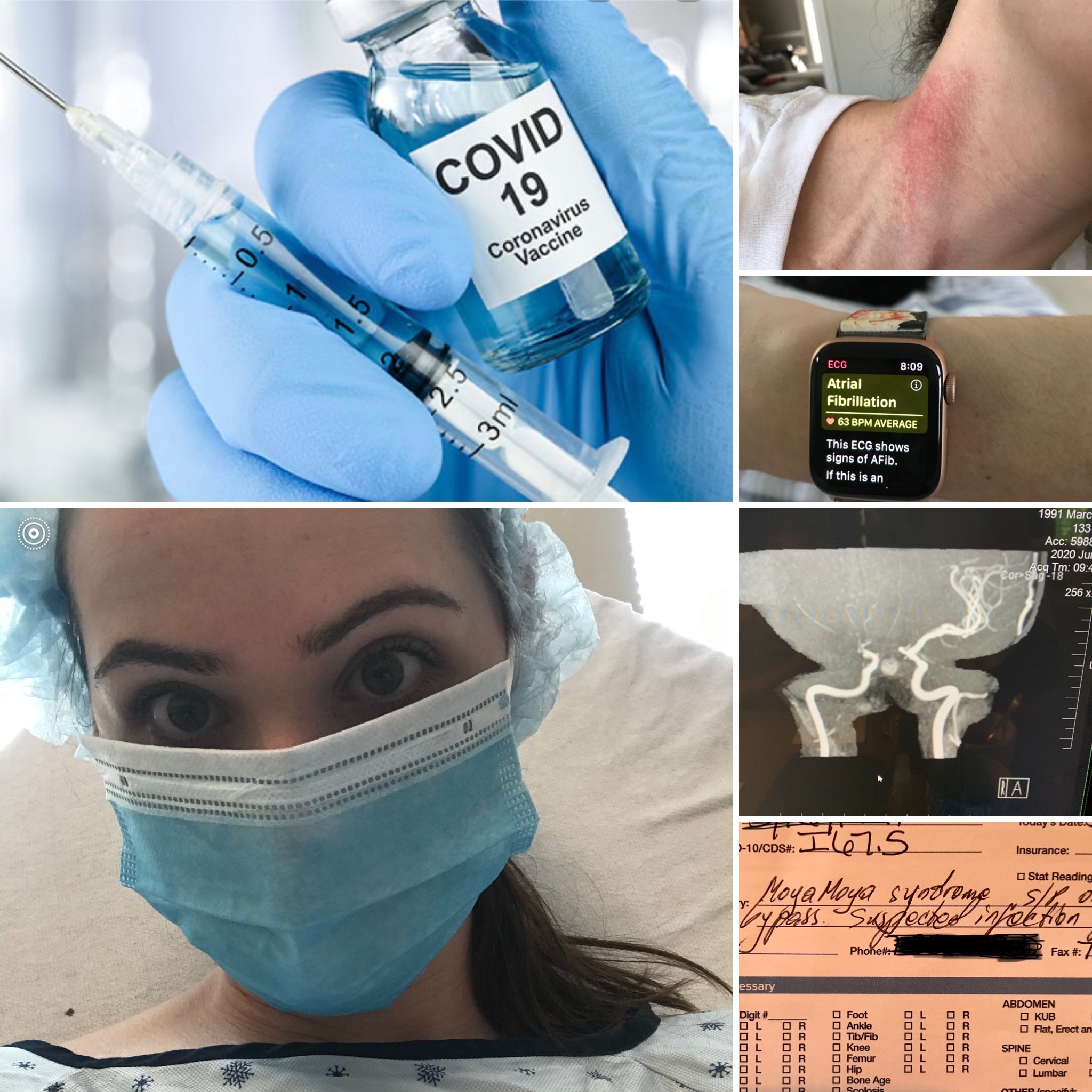
my daughter has a rare, chronic, progressive brain disease, moyamoya (MM). It
causes narrowing of the arteries in her brain which chokes off necessary blood
supply. Symptoms can include strokes, transient ischemic attacks (TIAs), seizures,
headaches, tremors, movement disorders, anxiety, depression, cognitive issues
and fatigue. In and of itself, her disease does not make her more prone to
catch COVID, but it does place her at higher risk for complications. Because
she has developed secondary impacts to her adrenal glands and thyroid from her
MM, her risk for complication is further magnified. Just prior to the pandemic,
she caught the stomach flu and ended up hospitalized for four days.
What has the pandemic looked like
for my daughter and many other chronically ill Americans?
Hypervigilance around masking,
social distancing and hygiene. Strict protocols and limitations around all
in-person interactions including trips to stores, pharmacies and doctor’s
offices. She and those who love her have to remain in constant risk evaluation
mode. Is X social distancing or are they posting pictures on social media that
show otherwise? Does Y advocate for wearing masks or do they bemoan them? Is a
trip to the store necessary? Can anyone else go? Are people wearing masks walking
into the store? How many people are inside the store? Can I manage my symptoms
virtually from home? Do I need to delay my annual MRI/MRA to check for
progression? Should I delay testing my cortisol levels? Can we afford the risk
of sending my son to school in person?
Increased anxiety around medical
supply chain disruptions. As a patient with adrenal insufficiency, she does not
produce cortisol, a hormone that is necessary to survive. Without her daily
replacement medication, hydrocortisone, her body will eventually go into an
adrenal crisis, the number one cause of death in adrenal insufficient patients.
Hydrocortisone is used to treat inflammation, autoimmune diseases and other
medical conditions in addition to adrenal insufficiency. With the onset of
COVID, one supplier stopped producing the medication creating a shortage in the
marketplace. This placed her and many other patients in harm’s way while the
pharmacies sorted out how to prioritize the medication for those who needed it
critically. The realization that her life depended on the ability to get a medication
in short supply was sobering.
To complicate matters, as people delayed
non-urgent medical appointments, prescription demand slowed. Pharmacies stopped
placing daily medication orders. Shippers started reducing staff, and shipments
started taking longer to get to pharmacies. Insurance regulations, however, did
not change. You are only allowed to fill prescriptions within a certain window
of when your prescription ends. Pharmacies will not order before the insurance
approves the medication. This has led to multiple instances of gaps between one
prescription ending and the refill arriving.
Neurofatigue took on new meaning when
it came to having to parent 24/7 without the breaks that in-person school
provided. Stepping into the role of teacher’s assistant has escalated the
problem. Her exhaustion levels are extreme. Cognitively, it is amplifying memory
and processing challenges. Her neurologist decided to prescribe home health
care support, but after conferring with her neuroendocrine doctor, became more
concerned about the risk of bringing the virus into her home. Ultimately, he
has added an additional medication used by patients with MS to combat neurofatigue.
These are just a few of her daily
challenges. By far the hardest thing she has had to deal with during this
pandemic are her feelings about the people who do not believe COVID presents a
problem. Those who deny the need to wear masks; who argue against social
distancing measures; who point to 98 percent survivability statistics to
justify their views; who argue that a two
percent death rate is an acceptable loss, so they can continue to feel normal. It
is hard not to see herself in those comments as the sacrificial lamb to another
person’s comfort.
I believe in my heart that if people
put faces to the numbers, these arguments would die a quick death. I am asking
you to please read the virtual booklet below. It was created by two moyamoya
patients and their families to raise awareness by sharing patient stories. Each
of these individuals is at higher risk for complications. Each of these patients
deserves our protection.
https://l.facebook.com/l.php?u=https%3A%2F%2Fwww.flipsnack.com%2Ffacesofmoyamoyadisease%2Ffaces-of-moyamoya-disease%2Ffull-view.html%3Ffbclid%3DIwAR2slU7G8Z2OeT5ouoElLP8F1scW_ZUrFozPnJ3KFFICRttgsyOh3xESHBQ&h=AT0SYHTHSUV86-P18cFf9ILpBhkoiVVIucBLja9U5Lh3L49ChAuCRIsowuBguA5DHKFo9ZUsrVZzenogjexrIJSOSdP-2FhVj6agS4_cb8C75C6YEVx4QXp1ORXPA7DirQ&__tn__=-UK-R&c[0]=AT02LQG5lnUAu62wT4WZ1oo9m-E-a9nSrz4ET5XAPrOF6F1kTY71IA0STSqHZwbaaUakZApgBIyL-Qaihxortoc4oq99RUONdN_qjvdzULi3KTJTs-F_bzX-TU-8eGVRZdhvD-hwROd34_g7RWKLbUUuEGw
Giving up my big Thanksgiving this
year was hard. Wearing a mask sucks. Not being able to visit regularly with
friends and family pisses me off. I am tired of social distancing, but I know it
would be far worse to live with my guilt should a choice I made result in a forever
consequence for someone else.